
Cooperative Learning in School: How Casa de Corazón Builds Community Through Collaboration
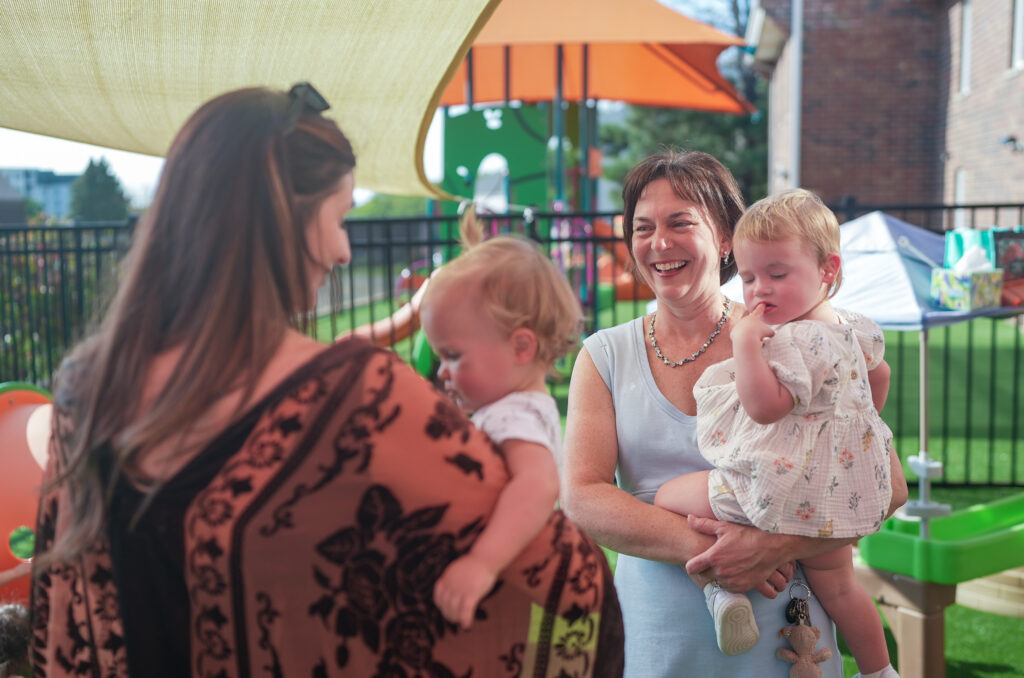
In researching childhood programs, you may have heard of “cooperative learning.” Cooperative learning is a method where children work together in small groups, building knowledge, language and social skills simultaneously.
At Casa de Corazón, it is not just a strategy—it’s the heartbeat of how our classrooms work. This method promotes learning, fosters respect and nurtures friendships among diverse groups, hitting several of our core values at once.
But how does cooperative learning work? What does it look like in practice? Here’s everything you need to know about cooperative learning and how it can help your child learn and grow.
What Is Cooperative Learning?
Cooperative learning does more than just teach kids letters, numbers, shapes and colors. It’s a way of organizing a classroom so that children learn to work as a team. They complete tasks together and work collectively towards goals, learning that everyone succeeds when the group succeeds.
The main goal of cooperative learning is to build community through the lens of personal responsibility.
Benefits of Cooperative Learning for Young Children
When children teach each other, learning goes deeper and lasts longer. Here are benefits of cooperative learning:
- Children learn how to encourage each other
- They get used to sharing, taking turns and staying on task
- They learn how to solve problems, including how to give and accept feedback from others
- Each child contributes to the group activity or conversation, building confidence
Language Development and Bilingual Communication
Cooperative learning in a Spanish immersion setting doubles the value. With cooperative learning, children gain opportunities to practice language in authentic and natural ways. This helps them build language skills and relationships with others.
Social-Emotional Growth and Empathy
The sense of belonging that comes with learning cooperatively builds social and emotional skills. Children learn resilience, communication skills and empathy. They learn that they belong and that their actions matter to those around them.
Critical Thinking and Problem-Solving
With cooperative learning, children work together to accomplish tasks and solve problems. Everyone is responsible for making sure things get done, and children learn that success depends on everyone’s effort in the group. They’re also learning to see themselves as capable problem solvers.
Cooperative Learning Strategies at Casa de Corazón
Children learn at different speeds and in different ways. Cooperative learning groups often mix students of varying ages and ability levels, so the children learn from each other as they complete tasks and solve problems.
Cooperative learning strategies take different forms. At Casa de Corazón, we use many cooperative learning structures as part of our curriculum, including think-pair-share, round robin and small group projects. Teachers choose activities based on the age levels, interests and unique personalities in their classrooms.
Here are some cooperative learning examples:
Think-Pair-Share
“Think-pair-share” has a child think about a question, then pair with a partner to talk about their ideas. The partners then share their ideas with the group. This builds confidence; studies show that children are more likely to share in a large group after they’ve tested their ideas in a pair.
Round Robin
Round robin asks children to take turns sharing their ideas in a small group. Each child contributes one idea or one Spanish word in turn. This can encourage even the quietest children to share their thoughts, as it creates a low-stakes environment where everyone is accepted and supported. It also teaches taking turns and self-regulation.
Small Group Projects
In small group projects, three to four children work toward a shared creative or problem-solving goal. Whether it’s creating a group art project or sorting objects by their Spanish names, each child learns to work together for the success of the group.
Cooperative Learning and Casa’s Core Values
At Casa de Corazón, we believe in nurturing children with a child-centered approach that prioritizes diversity, environmentalism and health in a clean and caring environment.
Cooperative learning plays a big part in these core values as we foster children’s hearts with social and emotional learning. Corazón, the Spanish word for heart, isn’t just part of our name—it reflects who we are.
Community: Learning Together, Growing Together
Many of our families describe Casa de Corazón as a second home. It’s a place where everyone is welcomed, valued and included. Here, group work is more than a classroom strategy—it is the lived experience of belonging.
When children work together to solve a problem, they learn that they are capable of achieving a great deal. When they share with a partner, they learn that their ideas have value. When they take a turn in a round robin activity, they learn that they are a welcome part of a larger community.
Interculturality: Different Perspectives Make Better Thinkers
Cooperative learning brings children of different languages and backgrounds together. In the course of solving problems together, they find it easy to make friends. Their comfort and intercultural competence grow naturally, and they learn that their different perspectives make them stronger.
Bilingual Communication: Speaking, Listening and Collaborating in Two Languages
Cooperative tasks give children authentic reasons to use Spanish. At Casa, kids don’t just recite vocabulary words. Instead, they negotiate, explain and ask each other for assistance. They have real Spanish-language conversations that build their language skills alongside their sense of community.
Holistic Growth: The Whole Child, Not Just the Lesson
Cooperative learning develops the mind, voice and heart simultaneously. This approach takes into account the whole child, not just the lesson. That’s why cooperative learning is a natural fit for Casa de Corazón. It supports our vision and approach to early childhood education.
Cooperative Learning by Age Group
Cooperative learning looks different at every age and stage:
Toddlers (Ages 1-3)
Toddlers generally engage in side-by-side or parallel play. Two children might be at the same activity table, but they’re not playing together. Instead, they’re each engrossed in the activity itself and exploring the world on their terms.
Cooperative learning in a toddler classroom involves teachers who provide the structure and guidance that children need as they navigate the world around them. Teachers here model bilingual conversations and support toddlers as they learn to work together.
Preschoolers (Ages 3-4)
Preschoolers engage in guided group projects with simple roles. They join storytelling circles or participate in building challenges to accomplish clear tasks with straightforward goals. These small victories are celebrated enthusiastically.
Pre-K (Ages 4-5)
Prekindergarteners are capable of using structured cooperative strategies. They use strategies like think-pair-share and round robin frequently in the classroom. Pre-K is also a great place for peer teaching or bilingual group presentations.
Ways To Encourage Cooperative Learning at Home
Cooperative learning doesn’t end at the classroom door. Here are some cooperative learning activities and bilingual tasks you can try at home:
- Play cooperative board games (not competitive ones). Board games like Hoot Owl Hoot! or Race to the Treasure! (both by Peaceable Kingdom) are great options.
- Cook or build something together with assigned jobs.
- Practice Spanish at home with simple shared activities. (“Let’s sort the laundry and name the colors in Spanish.”)
- Praise the process of working together, not just the outcome. Notice and give specific praise about the way your child takes turns, includes others or works together to achieve a goal.
- Ask your child: “Who did you help today?” or, “Who helped you?” These questions help them begin to notice the times when they worked collaboratively.
FAQs About Cooperative Learning
What Is Cooperative Learning?
Cooperative learning is an approach that does more than teach kids letters, numbers, shapes and colors. It’s a way of organizing a classroom so that children learn to work together.
What Are the Benefits of Cooperative Learning for Young Children?
Children can, at times, retain information better when it’s delivered by a peer, someone close to their own age. The benefits of a cooperative approach include learning how to share and take turns, make connections with others, give and accept feedback and solve problems.
What Is the Difference Between Cooperative Learning and Collaborative Learning?
Cooperative learning is a highly structured, teacher-led approach where children work in small groups.Collaborative learning is less structured and led by students.
How Does Cooperative Learning Support Bilingual Development?
Cooperative learning gives children opportunities to use their developing language skills in a way that’s natural and authentic. Kids don’t just practice vocabulary; they have real conversations.
See Cooperative Learning in Action at Casa de Corazón
Cooperative learning is a classroom technique at Casa de Corazón, but it’s also how your child makes friends, builds language and discovers who they are within a community. See it in action—explore our toddler, preschool and pre-K programs by scheduling a tour at a location near you.
Sign up for our newsletter
Related Posts
Celebrations Intercultural Celebrations
How to Celebrate Holi with your Child at Home!
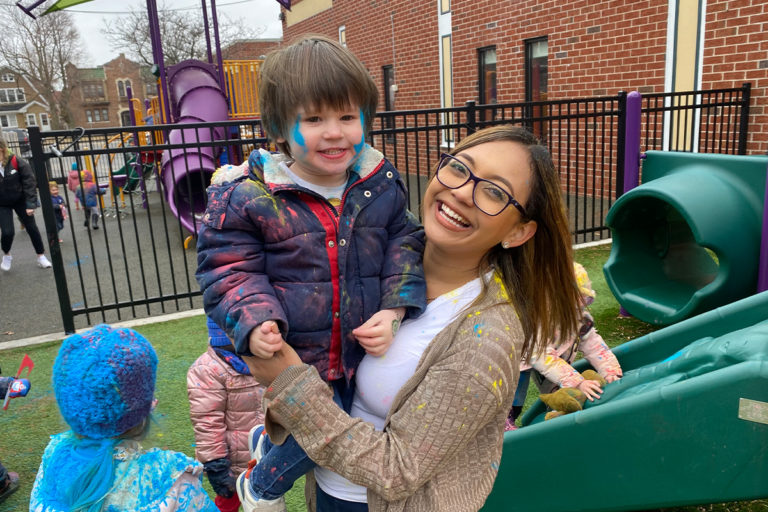
Holi is one of our favorite holidays here at Casa! New teachers and students might prepare by wearing white clothing and waterproof shoes, but you truly don’t know what you’re getting yourself into until the first tiny fist, full of colored powder, starts to wind up and everyone follows. Quick flashes of color rush by,…
Read More
Tips
Full-time vs Part-time Daycare: What’s Best for Your Baby?
Every family’s childcare journey looks a little different. Picture this: Elena is a full-time marketing manager. She relies on a consistent five-day daycare schedule so she can focus on her workday, confident that her baby is thriving in a safe, structured environment. Across town, Jordan works part-time from home as a graphic designer. For his…
Read More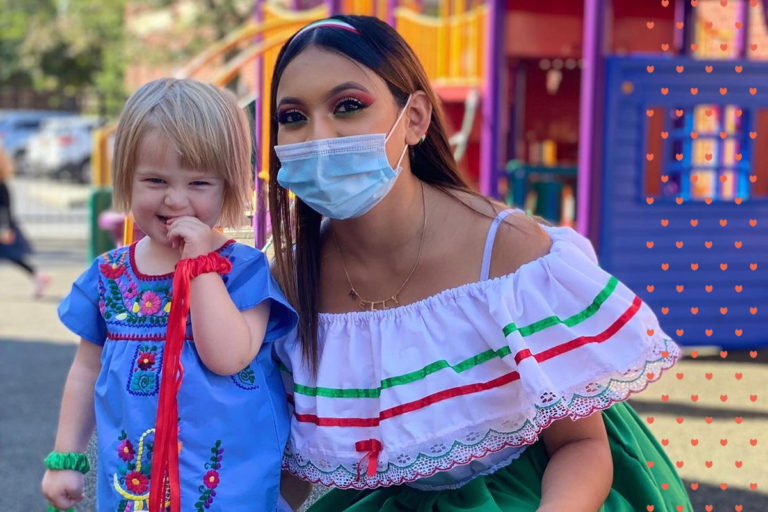
Country of the Month
Country of the Month: Mexico!
What comes to mind when you think of Mexico? Maybe your mind starts thinking about tacos and wondering how “traditional” fast food tacos really are. Perhaps your mind excavates the small amount of information you know about the Aztecs and their incredible monument, Chichén Itzá. Mexico is a bountiful country with incredible experiences. Each state…
Read More