
The Latest

Tips
Full-time vs Part-time Daycare: What’s Best for Your Baby?
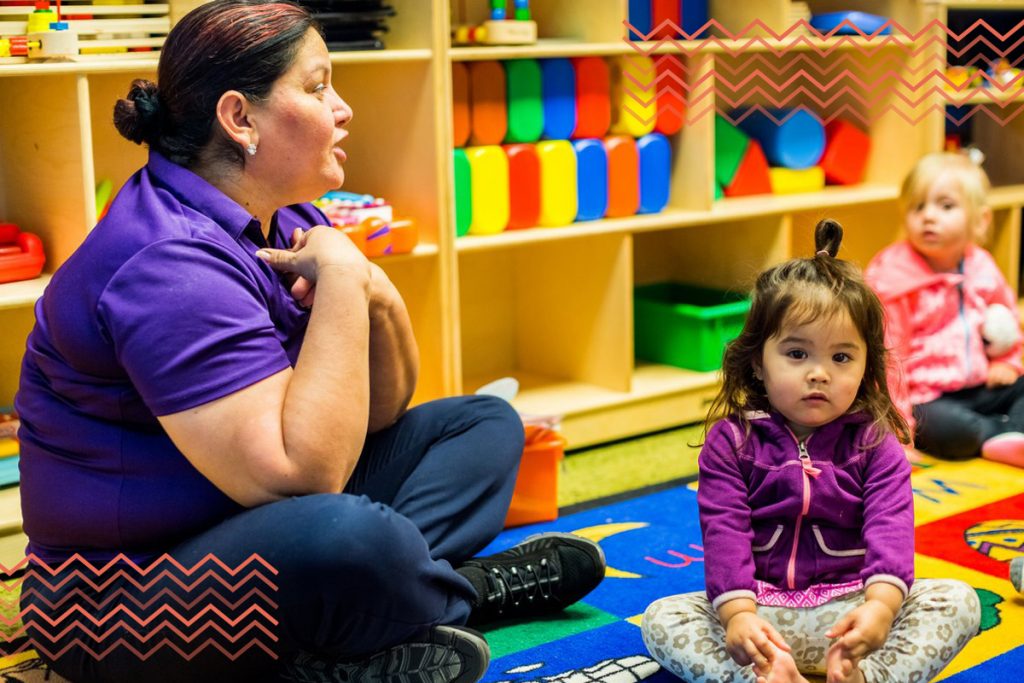
Every family’s childcare journey looks a little different. Picture this: Elena is a full-time marketing manager. She relies on a consistent five-day daycare schedule so she can focus on her workday, confident that her baby is thriving in a safe, structured environment. Across town, Jordan works part-time from home as a graphic designer. For his…
Read More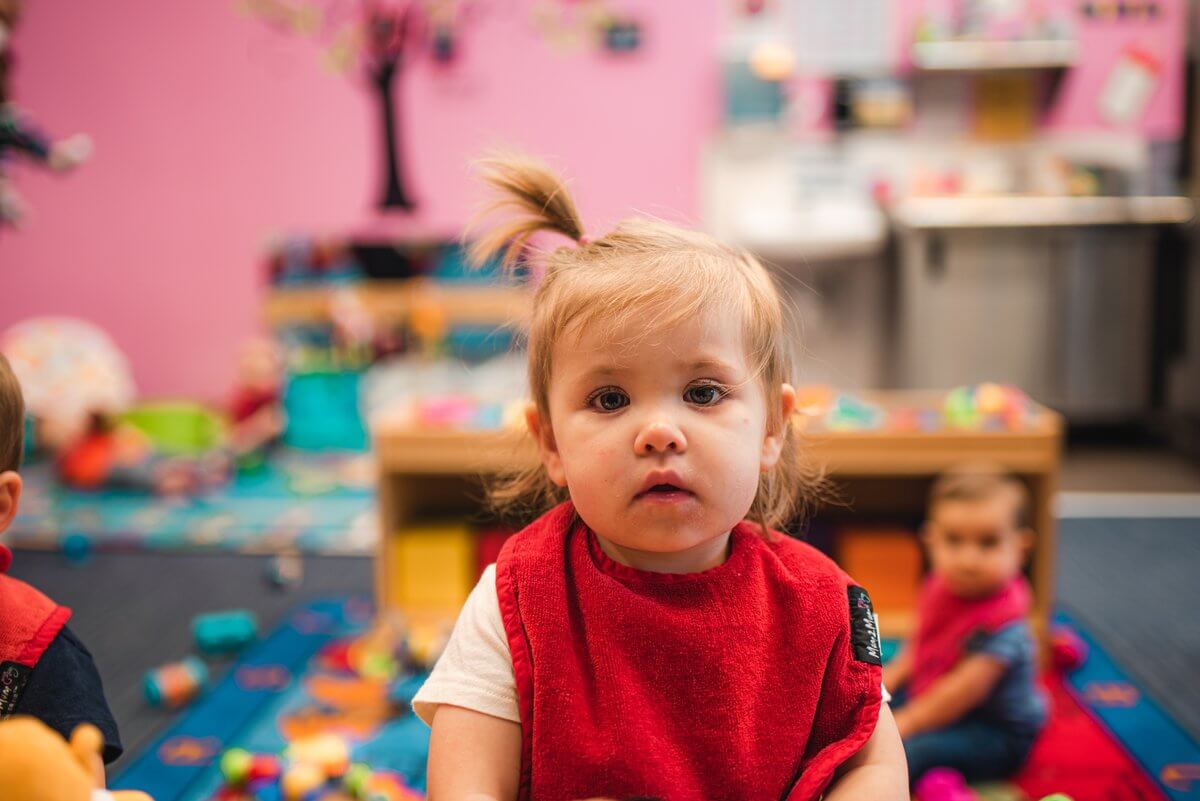
Tips
What Do Babies Learn in Daycare?
Daycare is much more than a place for supervision; it can be an enriching environment that nurtures learning, development, and connection. At Casa de Corazón, we believe babies are natural learners. Every cuddle, smile, and playful interaction builds the foundation for lifelong skills. Parents often ask: What do babies really learn in daycare? At first…
Read More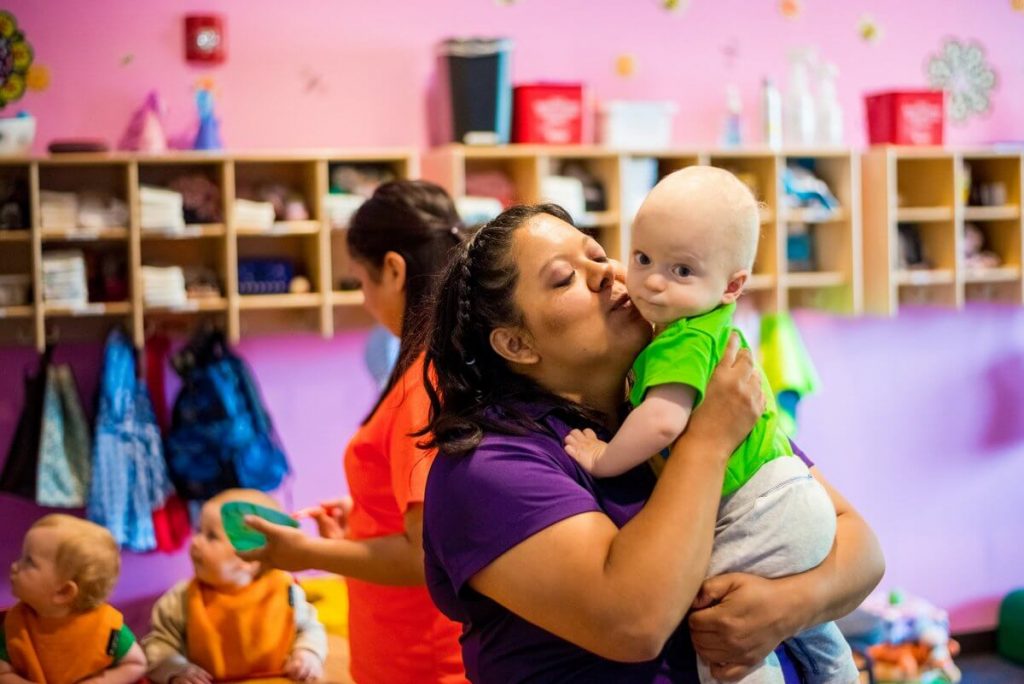
Tips
Separation Anxiety and Daycare: How to Help Your Toddler Adjust to Drop-Off
Separation anxiety and daycare often collide at the very first drop-off. One moment your toddler is clinging to your leg with tears streaming down their face, and the next, you’re sitting in the car wondering if you did the right thing. If that sounds familiar, you’re not alone. The truth is, separation anxiety at daycare…
Read More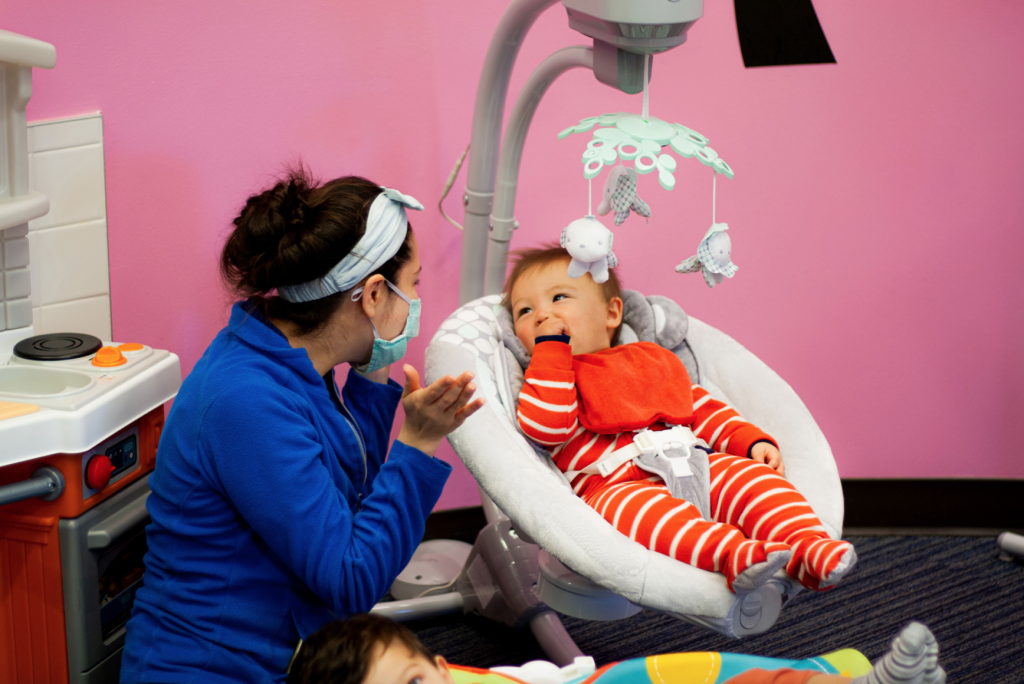
Tips
How to Transition Baby to Daycare: A Practical Guide for Parents
Starting daycare is a big milestone for you and your baby. Whether you’re returning to work or choosing daycare to support your baby’s development, the transition can feel emotional and overwhelming. You’re not alone. Many parents wonder: What is the best age to start daycare? Will my baby cry all day? How do I prepare…
Read More
Tips
How Infant Daycare Can Combat New Parent Burnout & Restore Balance
The Overwhelming Reality of Early Parenthood Becoming a new parent is often described as one of life’s greatest joys. It can also be one of the most exhausting experiences you will ever face. Sleepless nights, constant feedings, and emotional adjustments can quickly lead to what experts call new parent burnout. This is common and nothing…
Read More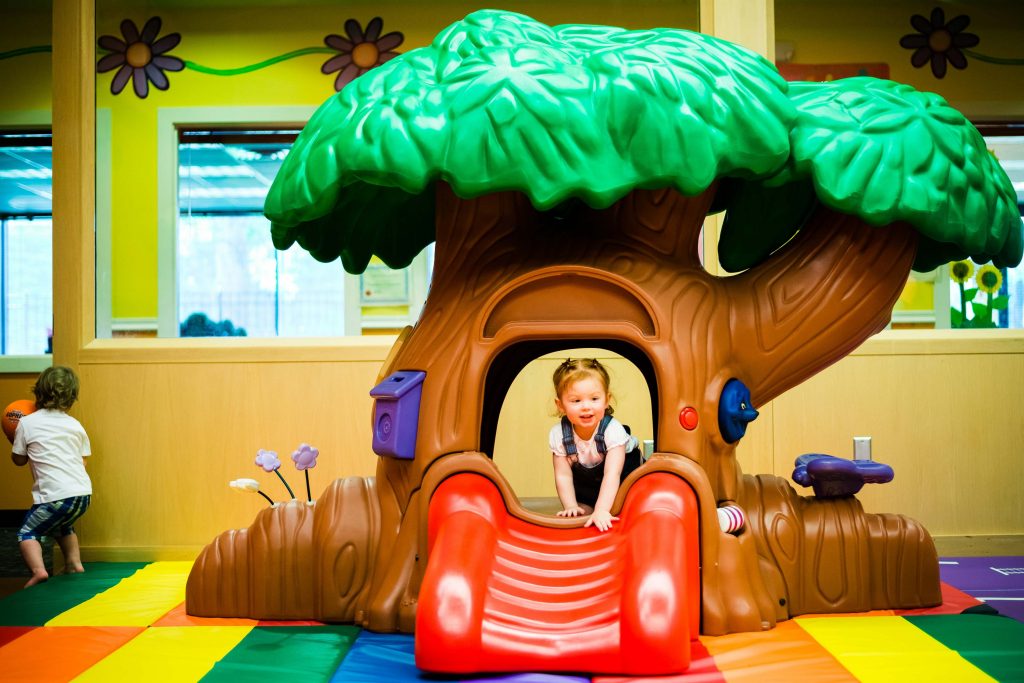
Tips
Benefits of Daycare vs Staying Home: Which Is Best for Your Infant?
Choosing between daycare and staying home during your child’s earliest years is an emotional and complex decision. Many parents grapple with concerns around finances, bonding time, developmental outcomes, and cultural or family values. It’s common to feel pressure or even guilt, no matter which path you choose. The good news? Both daycare and at-home care…
Read More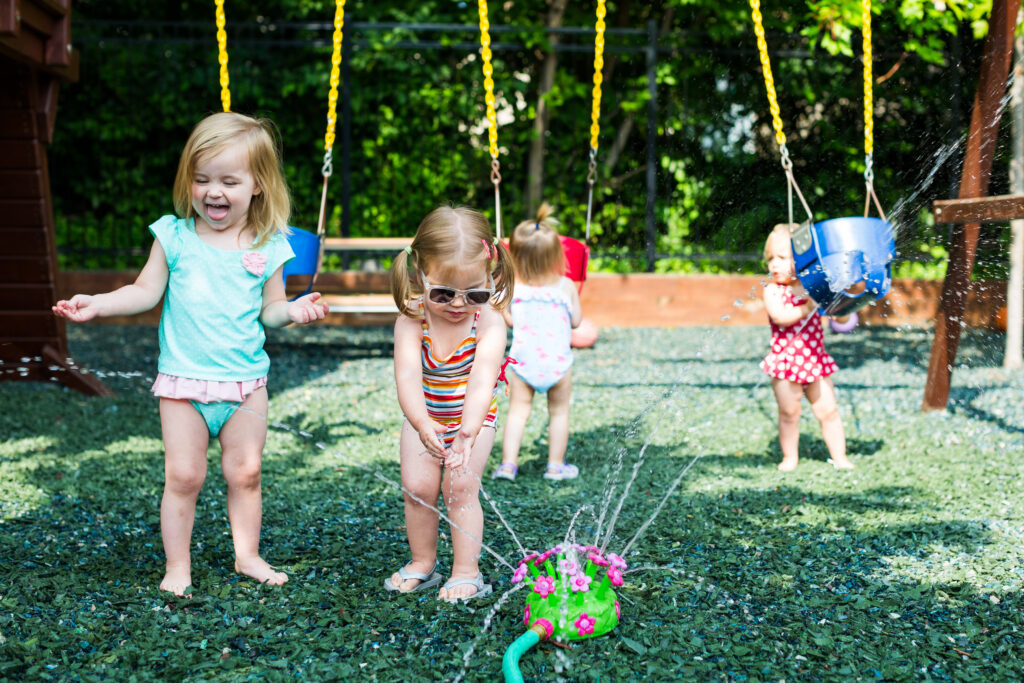
Innovation
The Benefits of Water Play for Toddlers
Water play can be a great way to encourage healthy development in children as young as infants. Playing with water helps kids build key motor skills, visual perception and cognitive abilities. When kids play with water in groups, they are also able to practice social skills with their peers. This article will take you through…
Read More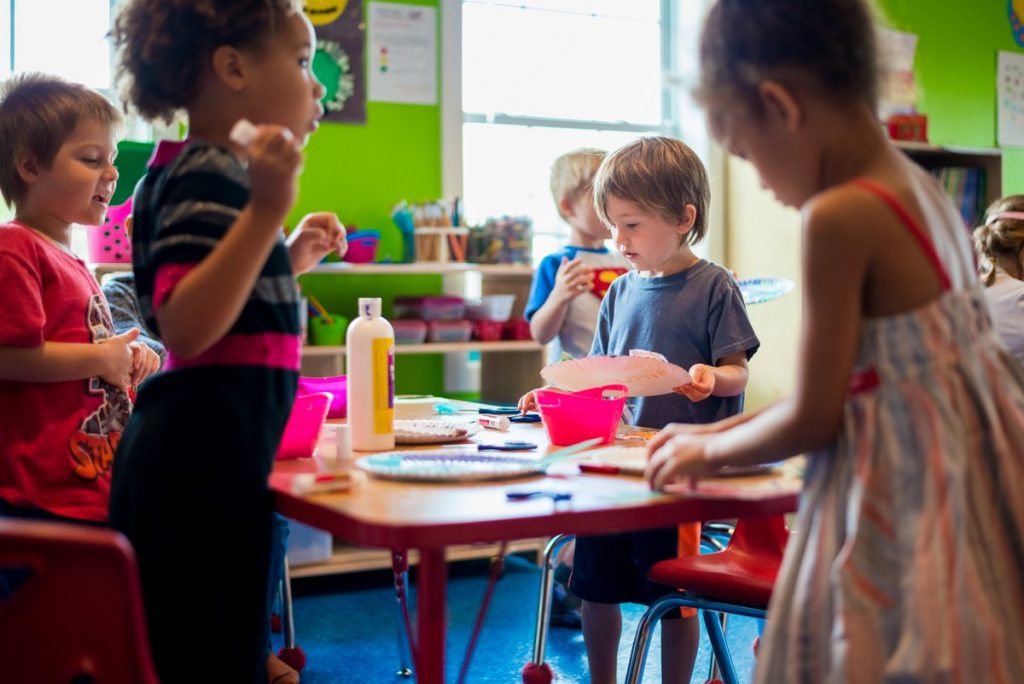
Tips
Daycare vs. Preschool: What’s the Difference?
Choosing care for your child is one of the first big parenting decisions and it’s not always easy. While ‘daycare’ and ‘preschool’ are sometimes used interchangeably, they serve different purposes. Daycare centers (also known as childcare centers) typically serve a broad age range from infants as young as 6 weeks old up to age 5…
Read More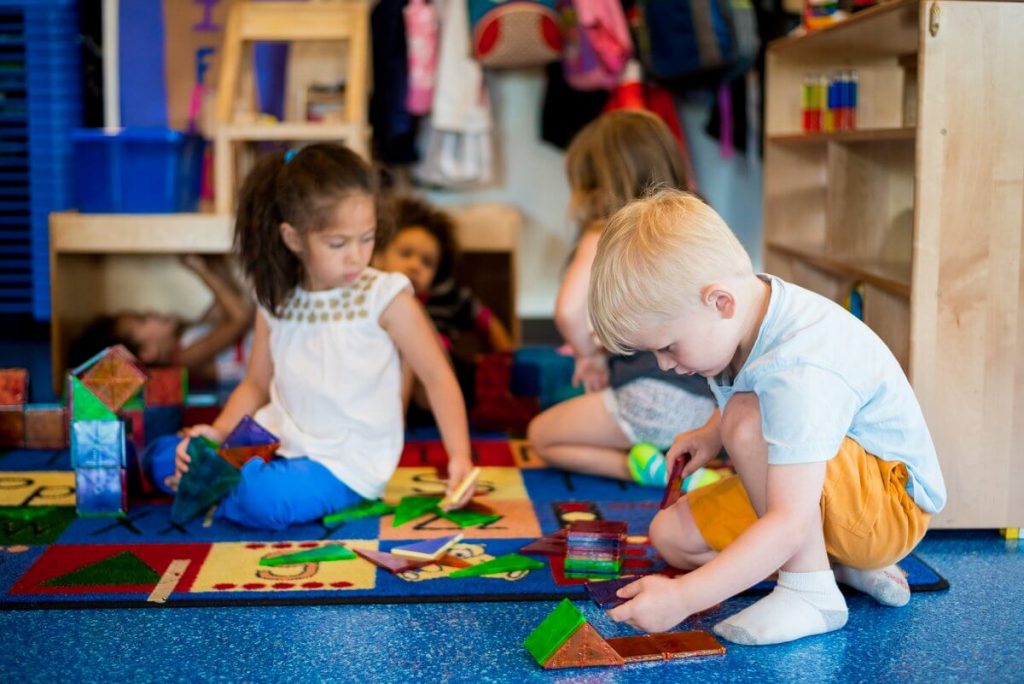
Tips
The Benefits of Play-Based Learning in Early Childhood Education
Play-based learning is a child-centered approach that uses play as the foundation for exploring ideas, building skills and making sense of the world. It’s often guided by educators or caregivers, but led by children’s natural curiosity and creativity. In this article, we’ll break down how the benefits of play-based learning, how it helps children thrive—and…
Read More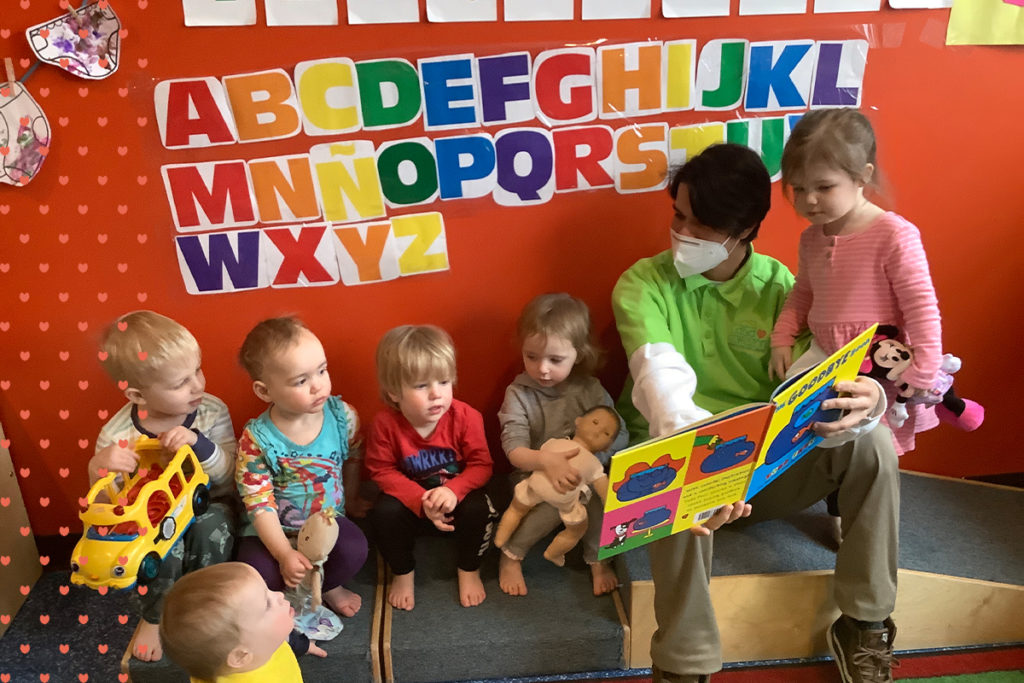
Preschool Activities
Spanish Alphabet Activities: How to Teach the ABCs in Spanish
Learning the Spanish alphabet is one of the most important steps in helping your child become bilingual. Beyond learning letters, it builds a strong foundation for reading, writing and communicating in Spanish. Teaching the ABCs in Spanish can be fun, engaging, and full of movement. Using interactive methods like games, songs and hands-on activities helps…
Read More
Bilingual
When Do Bilingual Babies Start Talking?
Across the world, more families than ever before are raising bilingual children — and it’s natural for parents to have questions. When will my bilingual baby say their first word? Can learning two languages delay talking? Will my child be confused? At Casa de Corazón, we meet many families curious about bilingual child development. One…
Read MorePreschool Activities Toddler Activities
How to Teach Kids to Lose Gracefully: Practical Tips for Building Emotional Resilience
We live in a winning oriented culture. Children pick up on these social cues from a young age. They, even from early childhood, can feel pressure to always win. This can make losing a profound emotional experience for a young child. It’s important to teach children how to lose gracefully from the get-go. Read on…
Read More
Bilingual Tips
Tips for Helping Your Child Learn Spanish at Home
Research shows there are many benefits for kids who learn a second language. Learning a second language in early childhood enhances memory, problem solving skills, empathy, and neurological development. Even if children aren’t exposed from infancy, a language immersion preschool, like Casa de Corazón’s program, can ensure that they become fluent before kindergarten. If your…
Read More
Diversity & Inclusion
How to Teach Cultural Diversity to Preschoolers
From a very young age, culture shapes our perception. NAYEC, the authority on early childhood education policy, reports that these perspectives can manifest in ways we aren’t always consciously aware of: gender roles, family structures, languages, dress, food, etiquette, approaches to disabilities, child-rearing practices, and behavioral expectations. Different cultures and beliefs coming together is what…
Read More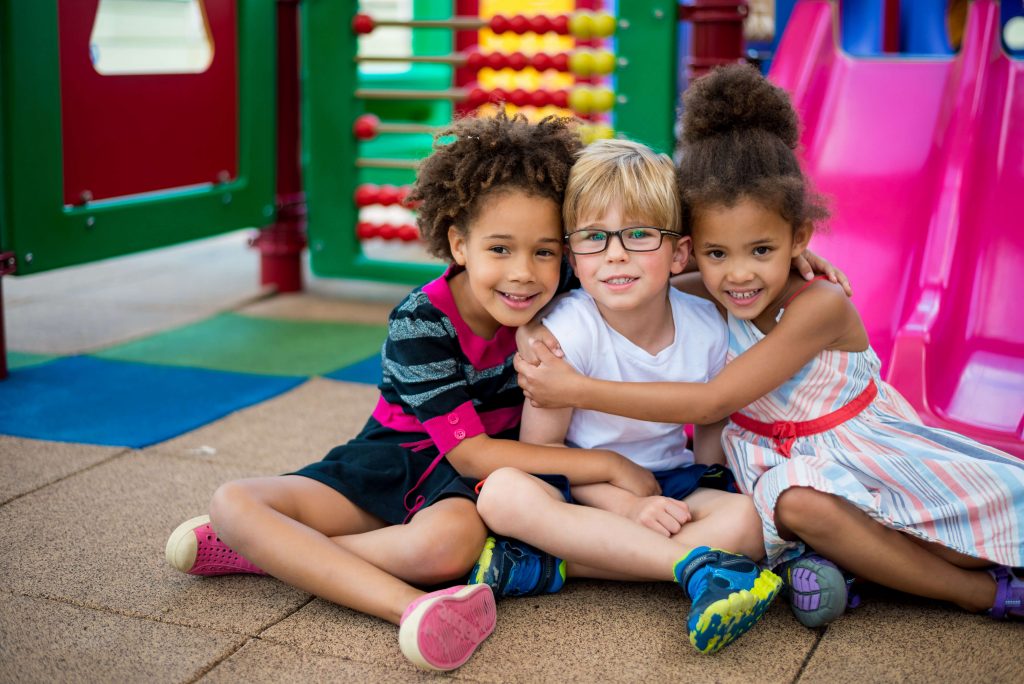
Tips
How to Teach Toddlers About Healthy Relationships
Parents want their children to grow up to be kind and supportive members of their communities. The most significant step in reaching this goal learning how to foster healthy relationships. Young children can gain relationship-building tools by learning how to check-in, name their feelings, communicate well, and resolve conflict in a productive way. It’s never too…
Read More