
How Young Is Too Young for Daycare? What Parents Should Know
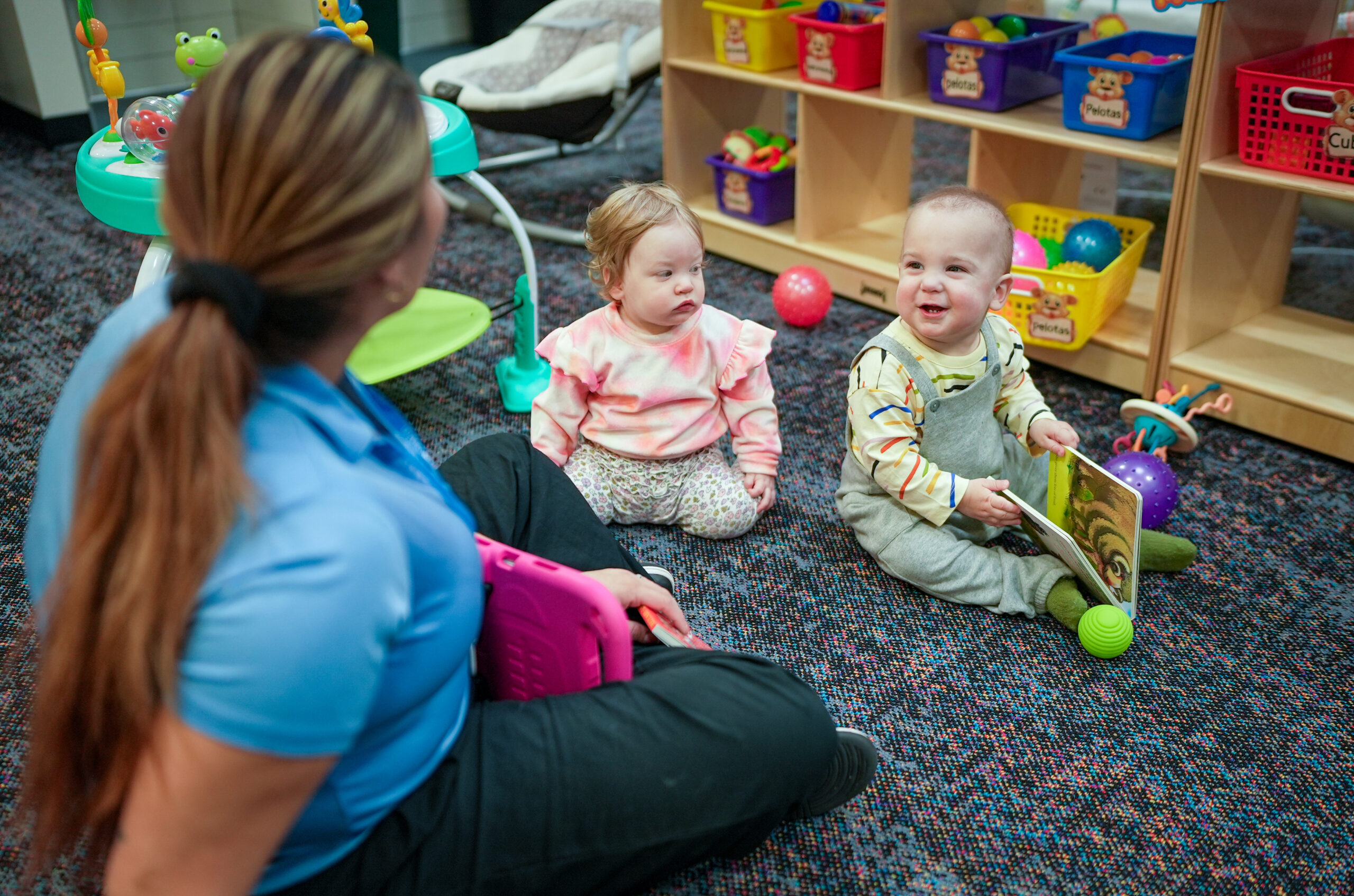
Choosing the right daycare is one of the most personal decisions your family can make. For most parents, it comes with excitement, lots of questions and a bit of uncertainty. One of the most pressing questions is, “How young is too young for daycare?”
Understanding what daycare truly offers—especially in the earliest years—can help you feel confident and supported as you make the best choice for your baby or toddler and your family.
Understanding Daycare for Young Children
When people hear the word “daycare,” they often picture simple supervision. Today’s reality is different. High-quality daycare—especially for infants and toddlers—now offers much more than that. It’s an early foundation for learning, connection and growth that your child can build on throughout their lifetime.
What Does “Daycare” Really Mean for Infants and Toddlers?
You might think daycare is similar to preschool, but the two are actually significantly different. Daycare is generally for younger children, while preschool focuses on curriculum-based learning for 3- to 5-year-olds.
While preschool emphasizes structured programs that prepare kids for the classroom, infant and toddler daycare programs take a broad approach. They provide developmentally appropriate care that supports emotional security, physical growth, early communication and social awareness during these formative years.
At Casa de Corazón, caregivers create an environment where babies and toddlers feel safe to explore, connect and grow at their own pace. Even very young children benefit from being with other children, following predictable routines and being part of a caring community. These early experiences help foster independence, curiosity, empathy and a sense of belonging.
How Daycare Can Benefit Children As Early as Infancy
How young is too young for daycare? Research shows that daycare can benefit even very young children. Studies indicate that nurturing, responsive care in early childhood supports healthy development. When infants and toddlers are cared for in a warm, engaging environment, the benefits extend far beyond the classroom.
- Cognitively, early daycare (especially Spanish immersion daycare!) introduces children to language-rich interactions, songs, stories and sensory experiences that support brain development.
- Emotionally, consistent caregivers help children learn trust, self-regulation and confidence.
- Socially, even simple interactions like watching another baby, sharing space or responding to a caregiver lay the groundwork for future confidence in relationships.
For infants in particular, this early exposure to language, structure and positive peer interactions can help strengthen communication skills and emotional resilience.
How Young Is Too Young for Daycare?
If you’re wondering, “What age do kids start daycare,” that’s the wrong question. There’s no one-size-fits-all recommendation. Every family’s situation is different, and every child develops at their own pace.
The best age to start daycare varies from family to family, and there is no “worst” age to start daycare. Understanding developmental readiness and getting some guidance can help parents feel more confident in their decision.
The Right Age for Daycare: Expert Recommendations
What age does daycare start? As young as six weeks. Experts generally agree that children can thrive in daycare as early as infancy when the environment is nurturing, consistent and developmentally appropriate. At Casa de Corazón, we generally accept infants as young as six weeks and up to 17 months in our infant daycare.
Your baby might be ready for daycare if they:
- Can handle short separations from you.
- Can be soothed by other caregivers, like grandma or grandpa.
- Respond well to regular feeding, nap and play schedules.
- Are showing a social interest in others and seem interested in what bigger kids are doing.
- Enjoy playing independently for short periods of time.
Health and developmental guidelines emphasize that early care should support, not replace, healthy attachment. High-quality programs prioritize low teacher-to-child ratios, continuity of caregivers and responsive routines that align closely with a child’s home needs and schedule. These elements can complement healthy attachment and support a child’s emotional and developmental progress.
Infants: What To Expect and How To Prepare
Infant daycare is designed to feel like a natural extension of home—warm, calm and responsive. When considering your infant daycare options, parents should look for:
- Low teacher-to-child ratios
- Caregivers who are trained in infant development
- Consistent routines that follow the baby’s cues
- Support for a child’s feeding and sleep preferences
- Clean, safe and soothing environments
Casa de Corazón’s infant program focuses on individualized care during a child’s first year, honoring each baby’s unique rhythms for feeding, sleeping and play. Our certified educators create a space where infants are held, spoken to, sung to and cared for with intention.
Toddlers and Beyond: Signs They’re Ready for Daycare
What age do kids go to daycare? Nearly any age. As children grow, daycare becomes an increasingly enriching experience. Toddlers who are beginning to communicate with others, show curiosity about others, explore their worlds and enjoy simple routines often benefit from group care settings.
Toddler daycare supports developmental milestones such as:
- Emerging independence
- Readiness for group-based activities
- Early problem-solving and communication
- Social skills like sharing, empathy and cooperation
Casa de Corazón’s toddler program emphasizes play-based learning, exploration and gentle structure to prepare children for preschool and beyond.
How Casa de Corazón Supports Your Child at Every Age
From infancy through toddlerhood, Casa de Corazón is committed to providing care that honors the whole child and supports growth at every stage.
Holistic Care: Nurturing Your Child’s Mind, Body and Heart
Our approach centers on individualized care that supports emotional security, cognitive development and social connection. Our teachers take time to truly know your child, and they adapt to meet your child’s developmental needs at every stage. In fact, our core values highlight nurturing every aspect of the child.
One of the most important parts of this holistic care is good nutrition. Casa de Corazón prepares fresh, healthy meals and snacks on-site, ensuring that your child gets the nutritious food they need to learn and grow.
NAEYC and Parent Aware Accreditation: What It Means for Your Family
Accreditation matters. Choosing an accredited daycare means choosing a program that meets rigorous standards for quality, safety and educational excellence.
Casa de Corazón is proud to be accredited by the National Association for the Education of Young Children (NAEYC) and recognized by Parent Aware. These designations ensure families can trust that their child is receiving care grounded in research, professionalism and continuous improvement.
Common Concerns for Parents With Young Children in Daycare
Every parent goes through the worry that comes with trying to make the right choices. We find that answering these questions openly can help parents feel reassured and informed.
Will My Child Be Safe and Well-Cared For?
Casa de Corazón ensures your child’s safety with experienced staff and a nurturing environment. To achieve this, we provide:
- Secure facilities and safety protocols that are regularly updated and documented
- Trained, experienced caregivers who love what they do
- Low teacher-to-child ratios so your child
- Clean, well-maintained environments
- Close communication with parents and caregivers
Separation Anxiety: How To Help Your Child Adjust to Daycare
It’s natural for infants and toddlers to go through a period of adjustment when they start daycare. At Casa de Corazón, we find that our strong relationships with both parents and children help ease the transition. Here’s what we recommend:
- Start with short, consistent drop-offs: Don’t linger and worry. Instead, project confidence and help your child feel confident in the new space. Admire things around you. Remind them that you’ll always come back.
- Create predictable goodbye routines: Use the same words and do the same things in the same order every time.
- Communicate openly with caregivers: Tell us how your morning went and what your concerns are so we can support you.
- Offer reassurance and patience: Understand that transitions take time. Soon, this too will feel like a comfortable routine.
How Do I Know if Daycare Is the Right Decision for My Family?
The truth is that many factors beyond your child’s own readiness can affect whether and when daycare is the right decision.
For some, daycare can be a necessary option when parents have invested in their careers. It can also complement family life and offer children meaningful out-of-the-home experiences and support their future, all while supporting parents’ needs.
It’s helpful to make lists and talk with people whose opinions you respect. Here are some factors to consider:
- Your work and family schedules
- Your child’s temperament and needs
- Your child’s desire for socialization and structure
- Long-term developmental goals
- Your family structure and situation
What To Look For When Choosing Daycare for Your Young Child
Important Questions To Ask When Touring Daycare Centers
To ensure a daycare center is a good fit, start with these questions:
- What training and certifications do your caregivers and facility have?
- What are the teacher-to-child ratios?
- How do you support emotional development?
- How are cleanliness and safety maintained?
- How do you communicate with parents?
- What are your standard hours?
- Can I contact a current daycare family for a reference?
Creating a “Checklist” for Daycare Readiness
Please feel free to go through your checklist with us and to ask about our high standards and parent engagement. We want to make sure you have the information you need to feel confident and informed. Evaluating programs means looking at curriculum, safety, nutrition and family engagement.
- You know the daycare curriculum and what your child will be learning.
- You’re familiar with their safety measures, precautions and protocols.
- You know what to expect in terms of communication.
- You know the type of food and snacks will be provided for your child.
- You understand how they work with and engage families.
The Role of Parent and Child Visits in the Decision-Making Process
Experts recommend visiting a daycare with your child before making a decision. Visiting allows you to see how children interact, observe caregiver relationships and ask meaningful questions.
Sometimes, you’ll just know that a place is the right fit when you walk in the door. We find that’s often true with Casa de Corazón families. Still, our tour and enrollment process is designed to help parents make thoughtful, informed decisions without pressure. Contact us to request a tour.
When To Enroll and What To Expect
Knowing when to enroll can make the transition smoother for both you and your child.
Enrolling Your Child: How To Know the Right Time
What is the right age for daycare? It depends. Signs of readiness may include curiosity, comfort with routines and interest in social interaction. Early enrollment allows time for gradual adjustment and relationship-building—for both you and your child.
What To Expect in the First Few Weeks of Daycare
The adjustment period varies, but Casa de Corazón supports families through periods of transition. Some babies and children take time to adjust to new routines and new people around them, and that’s okay. We offer open communication, flexible transitions and consistent care. Parents are encouraged to prepare emotionally and practically by:
- Connecting with other parents or reading daycare reviews to have an idea of typical struggles
- Familiarizing yourself with daycare policies, including those covering illnesses or daycare closures
- Alerting family, friends or others that you may need more support than usual
Frequently Asked Questions About Daycare for Young Children
How Do I Choose the Best Daycare for My Child’s Age?
Look for programs designed specifically for your child’s individual needs and developmental stage—and always schedule a tour.
How Can I Support My Child’s Development at Home While They’re in Daycare?
Maintain routines, talk about their day, read together and reinforce language and independence skills at home.
How Can I Be Sure I’m Making the Right Decision?
Choosing daycare is one of the most impactful decisions you’ll make for your child. Trust your instincts, ask lots of questions and remember that quality care supports both children and families. If you’re making the right decision, you and your child should feel safe, comfortable and welcome in the space. That’s how you’ll know it’s right.
Ready To Explore Daycare Options for Your Little One?
Visit Casa de Corazón To Learn More About Our Infant and Toddler Programs
We invite you to experience Casa de Corazón firsthand. Meet our educators, explore our classrooms and learn how we support children from the very beginning.
Discover the Benefits of Nurturing Care and Spanish Immersion for Your Child
How young is too young for daycare? At Casa de Corazón, that’s not a question. From newborn to Pre-K, our bilingual, relationship-centered approach sets children up for lifelong learning, confidence and connection that starts from their earliest years.
Find the closest location to you and learn more about how bilingual programs help your child.
Sign up for our newsletter
Related Posts

Franchise Opportunity Interview
Meet Tammy: Casa Financial Administrator
This week we enjoyed interviewing Tammy, our Financial Administrator. Tammy has been working at Casa for four and a half years. She began her time at Casa as the administrative assistant at Maple Grove where she had hands-on experience working at a Casa center. She was able to view how a center operated, the obstacles…
Read More
Franchise Opportunity Interview
Meet Iris! Shorewood’s Center Director
At Casa Shorewood, we are happy to have such amazing Center Directors be part of our team. Get to know Iris this week! Iris began her career at Casa as a substitute teacher in July 2020. She quickly became a Lead Teacher and positively contributed to this center and her classrooms. After grasping what makes…
Read MoreNews
Intercultural Competence for Teachers in Spanish Immersion Bilingual Education in Minnesota, USA. Case: Casa de Corazón
The relevance of the interculturality of the bilingual education program of Casa de Corazón (2002-2020) is validated, in its initiatives for the continuous training of its teachers, based on what is supported by Ipiña (1997) and UNESCO (2017). This research presents a series of coincidences in the framework of the intercultural competence of teachers and…
Read More