
Separation Anxiety and Daycare: How to Help Your Toddler Adjust to Drop-Off
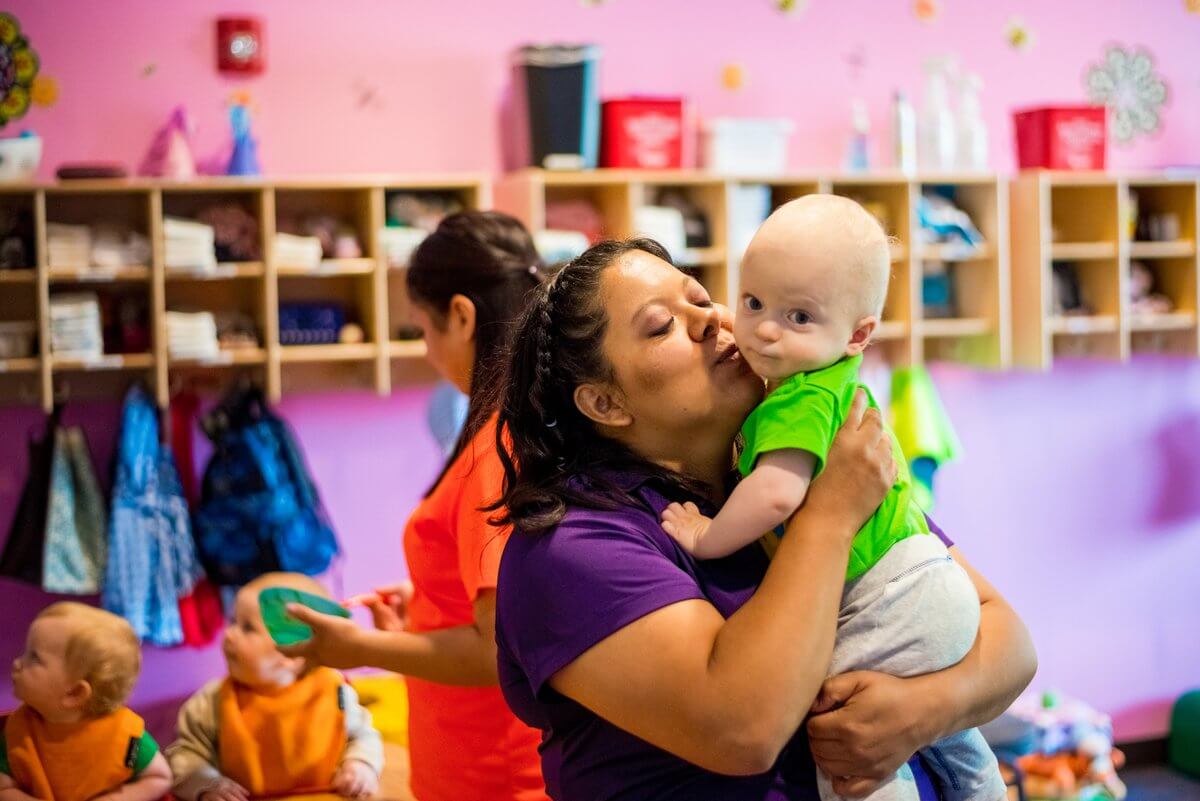
Separation anxiety and daycare often collide at the very first drop-off. One moment your toddler is clinging to your leg with tears streaming down their face, and the next, you’re sitting in the car wondering if you did the right thing. If that sounds familiar, you’re not alone.
The truth is, separation anxiety at daycare is both common and temporary. This article will walk you through what’s happening for your child, why it happens, and how to make the transition to daycare smoother for everyone (including you).
What is Separation Anxiety?
Separation anxiety is a developmental phase where children feel distress when separated from their primary caregiver. According to the Mayo Clinic, separation anxiety is most common between 8 months and 3 years, when children are building attachments and learning object permanence.
It’s important to remember: separation anxiety is not a sign of weakness. It’s a natural expression of a child’s bond and their growing awareness of the world around them.
Is Separation Anxiety Normal for Toddlers Starting Daycare?
Absolutely. In fact, separation anxiety is one of the most common challenges during daycare transitions. While there are many “pros” or benefits to infant daycare, separation anxiety can temporarily appear as a “con” in the early days.
The Cleveland Clinic reassures parents that this anxiety is a typical developmental milestone, not a cause for concern.
Why Starting Daycare Can Trigger Separation Anxiety
When children begin daycare, they experience several changes at once—new people, new routines, and unfamiliar spaces. This can be overwhelming, especially for toddlers who are:
- 18 months old and just starting to assert independence.
- 2 years old and becoming more aware of routines and changes.
Some common triggers include:
- Saying goodbye to parents.
- Encountering large groups or new teachers.
- Nap times in unfamiliar settings.
While challenging, daycare also helps children build resilience. Through group play and emotional support, they begin to learn healthy relationship skills and emotional regulation.
What Separation Anxiety at Daycare Looks Like
Since babies and toddlers can’t always express emotions with words, parents often notice separation anxiety through behaviors such as:
- Crying, clinging, or resisting at drop-off.
- Regressions in potty training or sleep.
- Emotional distress at pickup or bedtime.
- Changes in appetite or restlessness.
- Increased tantrums or quietness.
- Saying they feel unwell when separating.
These signs are usually temporary and fade as your child feels more comfortable in their daycare environment.
How Long Does Separation Anxiety Last When Transitioning Babies to Daycare?
Every child is unique. Some toddlers adjust in just 3–5 days, while others may need 2–3 weeks. With consistency and support, most children’s separation anxiety lessens quickly.
How to Ease Separation Anxiety at Daycare Drop-Off?
Choosing a nurturing, high-quality daycare is the first step to easing this transition. If you’re still exploring options, here’s how to choose a daycare that aligns with your child’s needs.
Model Calm Confidence
Children mirror their parents’ emotions. If you show calm reassurance during drop-off, your toddler will feel more secure. Avoid lingering too long or showing visible distress.
“When parents confidently say goodbye, children sense that everything is okay and adjust more quickly.” — Casa Teacher
Stick to Predictable Routines
Create a short, consistent goodbye ritual like a hug and a special phrase. Keep mornings smooth and avoid skipping daycare on “hard days,” which can reinforce anxiety.
Validate Emotions Without Over-Apologizing
Acknowledge your child’s feelings: “I know it’s hard, but you’re safe and I’ll be back soon.” Avoid phrasing that frames daycare as a negative.
Bring a Comfort Object from Home
Blankets, stuffed animals, or even a family photo can offer reassurance through familiarity.
Talk About Daycare Positively
Speak about daycare as a fun, safe, and exciting place. Share stories about friends, teachers, or favorite activities to build anticipation.
“We encourage parents to talk about daycare as an adventure. It helps children view the experience with excitement instead of fear.” — Casa Director
When to Seek Extra Help for Your Child’s Separation Anxiety
Most children adjust within weeks, but if separation anxiety lasts longer than 6 weeks or becomes extreme, parents may want to consult a pediatrician, child psychologist, or daycare staff. Resources like CHOC’s guide on separation anxiety disorder provide helpful insights.
It’s Not Just Your Child Who’s Adjusting
Separation anxiety can affect new parents just as much. It’s normal to feel sadness or guilt during drop-offs. At Casa, parents often find comfort in the Casa App, which provides real-time updates, photos, and messaging with teachers.
“The Casa App helps me feel connected throughout the day, easing my own anxieties as my child adjusts.” — Casa Parent
Separation anxiety at daycare drop-off is both normal and temporary. With patience, consistency, and the right strategies, your toddler will soon find comfort, joy, and growth in their new environment.
At Casa de Corazón, we support both children and families through these transitions, fostering confidence, connection, and bilingual learning in a nurturing setting.
Ready to explore a supportive daycare community for your family? Schedule a tour at your nearest Casa location.
Sign up for our newsletter
Related Posts

Tips
Tips for Better Napping Time at Home
Napping is a vital component of early development. Children under five require anywhere from 10-17 hours of sleep depending on their age. We do everything we can to encourage restful sleep so our children can retain new knowledge from all the new experiences they are having. Being that we have had all types of sleepers…
Read More
Tips
The Benefits of Play-Based Learning in Early Childhood Education
Play-based learning is a child-centered approach that uses play as the foundation for exploring ideas, building skills and making sense of the world. It’s often guided by educators or caregivers, but led by children’s natural curiosity and creativity. In this article, we’ll break down how the benefits of play-based learning, how it helps children thrive—and…
Read More
Tips
The Ultimate Guide to Kindergarten Readiness: Benefits and Preparation Tips for Families
What is Kindergarten Readiness? Kindergarten readiness refers to a child’s maturity level and ability to negotiate the demands of formal schooling as they enter kindergarten. A child is ready for kindergarten if they can participate in both the educational and social aspects of the classroom. “When kids arrive at kindergarten and they have what we…
Read More